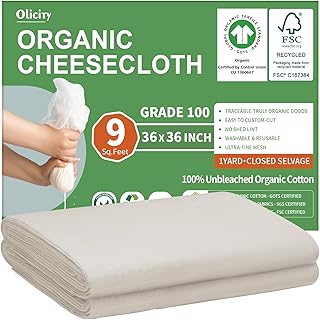
For centuries, a simple, unassuming fabric has been a silent workhorse in kitchens, dairies, and craft rooms. Cheesecloth, with its loose, open weave, is far more than just a tool for making cheese. It's a versatile, reusable, and essential piece of fabric for anyone who loves to cook, bake, or create. Whether you're clarifying butter, straining yogurt, or creating a beautiful herb bundle, understanding the different types and grades of cheesecloth is key to achieving the best results.
What is Cheesecloth and What Are Its Uses?
Traditionally made from 100% cotton, cheesecloth is a lightweight, gauzy fabric. Its primary function is filtration and separation. In the kitchen, it's indispensable for tasks that require removing solids from liquids while allowing fine particles or flavors to pass through. Common uses include straining stocks and broths to achieve crystal-clear consommé, making homemade cheese and yogurt, bundling herbs for bouquet garni, and wrapping poultry like turkey to keep it moist during roasting. Beyond the kitchen, it's used in crafts, gardening, and even first aid. For a deep dive into all its applications, check out our comprehensive Cheesecloth Guide: Uses, Types & How to Choose the Best Fabric.
Understanding Cheesecloth Grades: Why Grade 100 Reigns Supreme
Not all cheesecloth is created equal. It's categorized by grades, which refer to the number of threads per inch in each direction. The higher the grade, the tighter and denser the weave. Grade 100 cheesecloth, often called "butter muslin," is the finest and most durable option available. Its ultra-dense weave makes it perfect for straining very fine particles, such as when making soft cheeses, Greek yogurt, or clarifying butter without any sediment. It's strong enough to be reused multiple times, making it a cost-effective and eco-friendly choice. Products like the Cotton Farm Grade 100 XL Cheese Cloth exemplify this quality with its hemmed edges for durability. Learn more about this premium material in our specialized Grade 100 Cheesecloth guide.
Key Features to Look For in Quality Cheesecloth
When shopping for cheesecloth, several features determine its performance and longevity:
Material: Always opt for 100% unbleached cotton. Unbleached fabric is free from chemical residues, making it safer for food-grade applications. For an organic option, consider the Organic Cheese Cloths, GOTS Certified.
Hemmed or Finished Edges: Look for cloths with hemmed edges or closed selvedges. This prevents fraying during use and washing, significantly extending the cloth's life. The 12Pcs Reusable Cheese Cloths feature hemming on all four edges for maximum durability.
Size and Pack Quantity: Cheesecloth comes in various sizes, from small 15x15 inch squares to large 36x36 inch sheets. Precut packs offer convenience. A 6-Pack of 20x20 inch cloths is versatile for most kitchen tasks, while larger projects may benefit from a single, large piece.
Reusability: High-quality, densely woven cheesecloth can be washed and reused many times. Simply rinse in cold water, wash with mild soap, and air dry.
Top Cheesecloth Picks for Every Need
With so many options, here are some standout products for different purposes:
For the Serious Home Chef & Cheese Maker: The Cotton Farm Grade 100 XL Cheese Cloth offers professional-grade density in a large 36x36 inch format, ideal for big batches.
For Versatile, Everyday Kitchen Use: A multipack like the High-Grade 100 Cheesecloth – 6-Pack provides several durable, lock-edged cloths perfect for juice straining, making stock, or cooking turkey.
For Budget-Friendly Convenience: The GoodCook Everyday 100% Cotton Cheesecloth is a bleached, economical choice available in a continuous 2-yard piece you can cut to size. Explore its uses in our GoodCook cheesecloth guide.
For Small Batch Projects & Crafts: The Precut Cheesecloth, 15 x 15'' 4 Pack is perfect for making small batches of cheese, straining infused oils, or DIY crafts.
Care and Maintenance of Your Cheesecloth
To get the most out of your reusable cheesecloth, proper care is essential. Immediately after use, rinse it under cold water to remove food particles. For stubborn stains, soak in a solution of baking soda and water. Hand wash or machine wash on a gentle cycle with a mild, fragrance-free detergent. Avoid fabric softeners as they can clog the fibers. Always air dry; high heat from a dryer can weaken the cotton fibers and cause shrinkage. With proper care, a high-grade cloth can last for dozens of uses.
From its humble origins in dairies to its status as a modern cooking essential, cheesecloth is a testament to simple design and multifunctional utility. By choosing the right grade—prioritizing Grade 100 for fine straining—and opting for reusable, unbleached cotton with finished edges, you invest in a tool that will serve your kitchen and creative projects for years to come. Whether you pick a trusted brand like MAJESTIC CHEF or a value-packed multipack, having quality cheesecloth on hand unlocks a world of culinary possibilities.